

5 Things We Learned This Week - 6/14/2025

June 14, 2025
The S&P 500 fell 0.4% this week. Meanwhile, the Bloomberg Aggregate Bond Index rose 0.7%, Gold rose 3.6% and Bitcoin gained 0.8%.
Sentiment among small business owners improved in the latest NFIB reading. CPI and PPI cooled slightly this month, suggesting price pressures may be stabilizing. However, tariffs and a spike in oil prices could disrupt this trajectory. Meanwhile, unemployment claims hit a three-year high, raising concerns about labor market resilience. For investors, it's a mixed economic picture. The US economy doesn't appear to be heading for an imminent recession, but the outlook for corporate earnings is cloudy. The key to doing well in the second half of this year will be making the right tactical pivots as the true economic impacts of the tariff policy become clearer.

The Israel-Iran Conflict Causes Oil Market To Surge
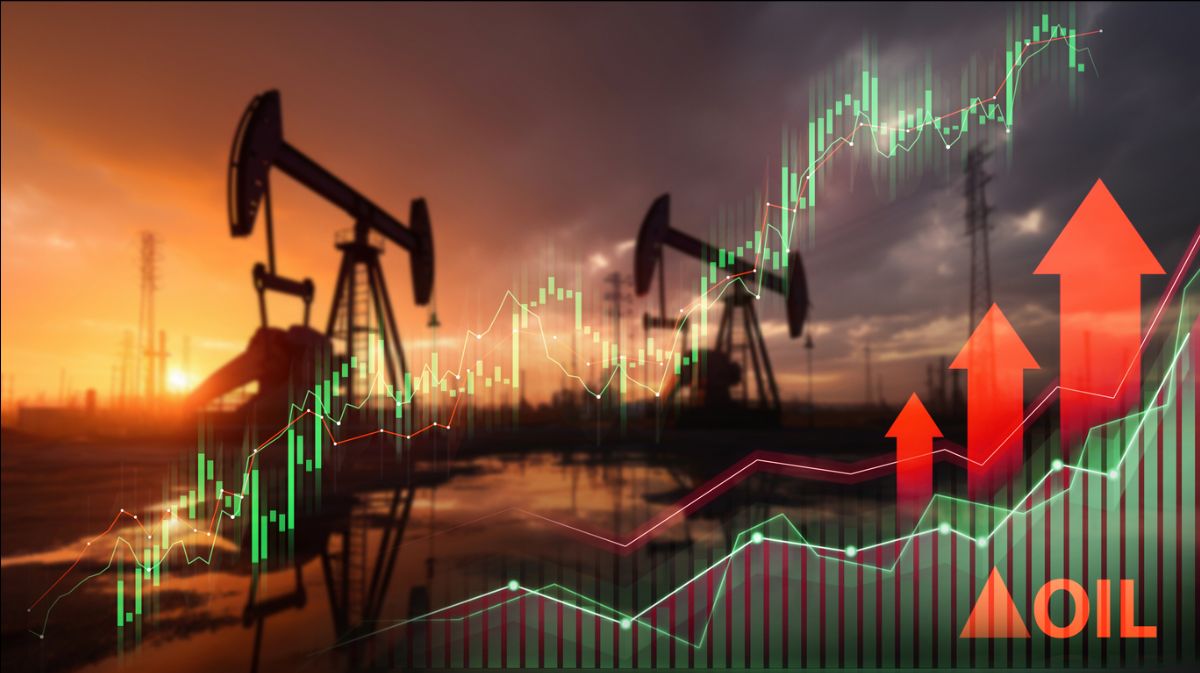
The escalating Israel-Iran conflict has sent shockwaves through global energy markets. Israel's "Operation Rising Lion" targeted Iranian nuclear facilities, prompting Iran's massive retaliation with over 150 ballistic missiles and 100 drones. The conflict reached new heights when Israel struck Iran's South Pars Gas Field—the first attack on Iranian energy infrastructure.
Oil prices spiked 7% Friday as markets priced in supply disruption risks. Iran produces significant OPEC volumes. Also, the conflict threatens the Strait of Hormuz, through which 20 million barrels flow daily. Goldman Sachs projects disruptions could push Brent crude above $90, with worst-case scenarios reaching $120-130 per barrel. This represents a structural shift as geopolitical risk premiums return to energy markets. The precedent of direct infrastructure attacks and demonstrated willingness to disrupt global supply chains will likely keep premiums elevated regardless of immediate outcomes.
The investment landscape rarely provides advance warning of its most consequential moments. Yet, the dramatic escalation between Israel and Iran that began on June 13 is exactly the kind of geopolitical shock that separates prepared portfolios from those caught off guard. Silverlight clients have overweight positions in the energy sector partly to hedge against this kind of geopolitical turmoil. While broad markets fell on Friday, energy stocks provided crucial portfolio protection. Our energy allocation reflects our understanding that in an uncertain world, owning assets that benefit from disruption is often the best defense against that same disruption.

Don't Be Duped By Doomscrolling

One of the jobs of a professional investor is to keep a close eye on the news cycle, parsing headlines for market-moving signals. But in today’s clickbait-driven media landscape, this vigilance can take a real mental toll. Over time, I’ve learned to set boundaries: I don’t check Bloomberg the instant I wake up. Instead, I complete my morning routine to get centered, then I’m ready to absorb whatever the world throws at me.
Doomscrolling—endlessly consuming negative news—is a common practice that can quietly erode energy, concentration, and morale, with research showing productivity losses as high as $5,600 per employee each year. A staggering 64% of Americans identify as doomscrollers, and the habit is especially prevalent among Gen Z. Beyond lost productivity, doomscrolling can trigger trauma, anxiety, and even dissociation, because our brains are naturally wired to fixate on chaos and violence.
To risk-manage this habit, set time limits for news consumption, ask yourself what value you’re gaining, and prioritize self-care—whether through exercise or simply unplugging. Reading negative news constantly may condition investors to be overly cautious, even when long-term market odds are in their favor. So set boundaries, filter news, and always remember the media is slanted with an overly negative bias.

The Fed's Hidden Debt Monetization: Why Hard Assets Are Set to Soar
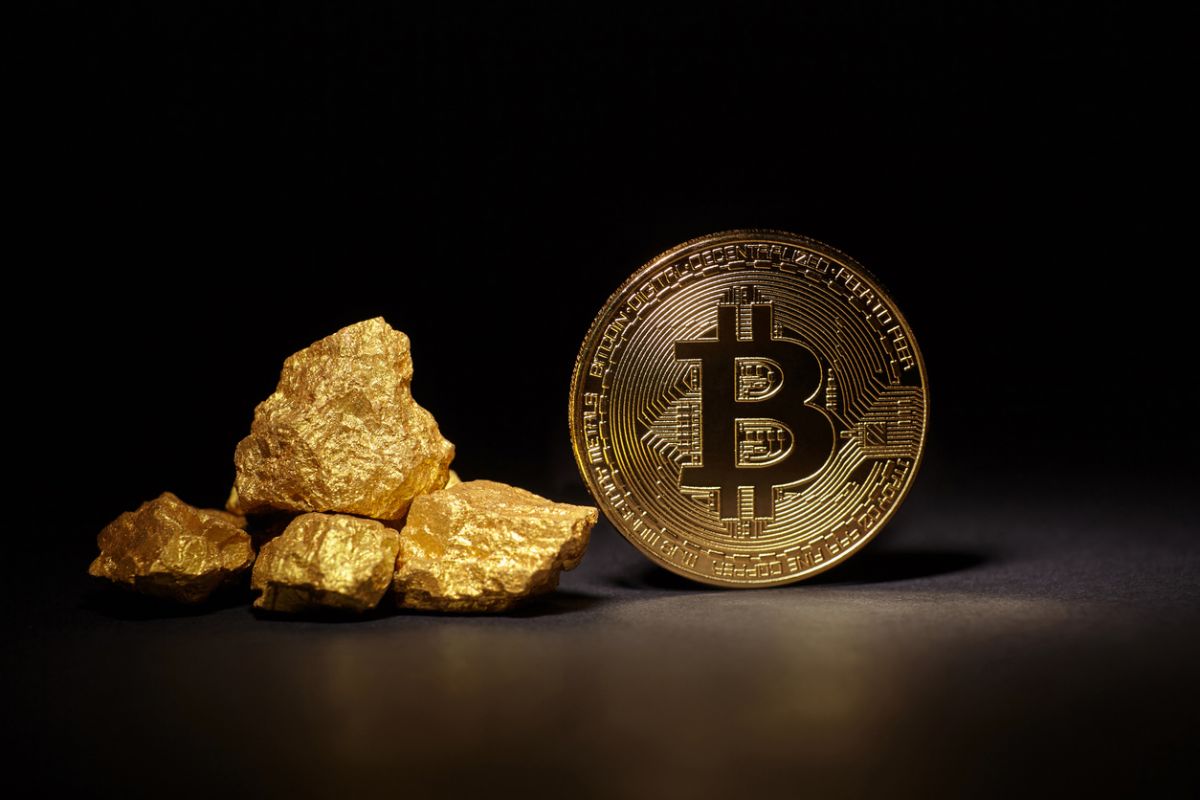
CrossBorder Capital's Michael Howell has identified a critical shift in Federal Reserve policy that most investors are missing. Despite claims of quantitative tightening, the Fed is quietly monetizing US debt through a backdoor mechanism that's creating what Howell calls "monetary inflation".
Here's how it works: The Treasury is increasingly issuing short-term bills rather than long-term bonds to fund the deficit. Banks love these short-dated securities, because they provide easy spreads against deposit rates. When banks purchase these Treasury bills, they're effectively expanding the money supply – pure debt monetization. This funding strategy allows the government to avoid paying higher yields on long-term debt, while quietly inflating away obligations. It's a "Latin American-style" policy disguised as prudent debt management.
Traditional 60/40 portfolios won't survive this regime. Howell's data shows that when debt-to-liquidity ratios stretch – as they're doing now – investors must pivot to monetary inflation hedges. Gold has tracked US debt growth almost perfectly since 2000, rising eightfold alongside federal obligations. Bitcoin serves as a modern barometer of global liquidity flows. Both assets benefit from the debasement of fiat currencies through stealth monetization. As yields normalize toward 5% and monetary inflation accelerates, hard assets represent the clearest path to wealth preservation.

AI Abundance and the Rising Value of Land and Commodities

AI is poised to disrupt nearly every sector, but paradoxically, one of the biggest winners might be landowners and commodity producers. As AI-powered automation floods the economy, traditional labor becomes increasingly obsolete. The result? A world where the supply of goods and services skyrockets while the cost of production plummets.
But amid this technological abundance, some things remain scarce—land and the natural resources beneath it. No matter how advanced AI becomes, it can’t manufacture land or create more oil, minerals, or agricultural space. Economic theory suggests that as AI-driven productivity grows, demand for these finite assets will surge, driving their relative value higher.
"In a world of AI abundance, where the effective labor force can grow simply by churning out more robots, land and the commodities beneath it will become the ultimate scarce resource," writes Peter Berezin of BCA Research.

Honesty Pays Dividends In Unexpected Ways

Last month in Chandler, Arizona, 14-year-old Cody Chalmers stumbled upon a wallet stuffed with $300 cash—an amount he’d been painstakingly saving for an electric bike. Instead of pocketing the windfall, Cody tracked down the owner and returned every dollar. His honesty didn’t just restore someone’s faith in humanity—it also inspired a stranger to reward him with the very e-bike he’d been saving for. And get this: the store where he got the bike is called “Integrity E-bikes.”
This story is a powerful lesson in abundance. When we act from a place of generosity and integrity, the world often responds in kind. Too often, a scarcity mindset convinces us that keeping what we find—be it money, opportunity, or credit—is the only way to get ahead. But Cody’s experience proves the opposite: by giving freely, we invite unexpected rewards and build reputational capital that pays dividends for life.
This material is not intended to be relied upon as a forecast, research or investment advice. The opinions expressed are as of the date indicated and may change as subsequent conditions vary. The information and opinions contained in this post are derived from proprietary and non-proprietary sources deemed by Silverlight Asset Management LLC to be reliable, are not necessarily all-inclusive and are not guaranteed as to accuracy. As such, no warranty of accuracy or reliability is given and no responsibility arising in any other way for errors and omissions (including responsibility to any person by reason of negligence) is accepted by Silverlight Asset Management LLC, its officers, employees or agents. This post may contain “forward-looking” information that is not purely historical in nature. Such information may include, among other things, projections and forecasts. There is no guarantee that any of these views will come to pass. Reliance upon information in this post is at the sole discretion of the reader.